(480) 373-9949
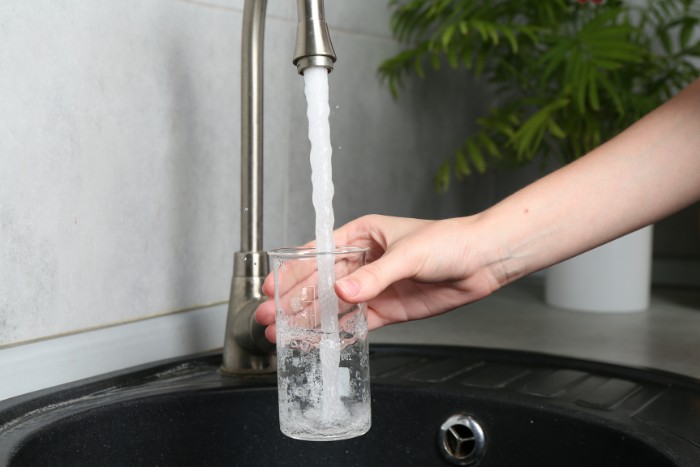
If you have ever turned on the faucet and wondered what is actually in your water, you are not alone. Arizona homeowners deal with some of the most mineral-heavy water in the country, and the conditions in Phoenix, Mesa, Glendale, Tucson, and across the East Valley vary more than most people realize. A tap water test is the most direct way to understand what is coming through your pipes before you make any treatment decisions.
This guide walks you through why testing matters in Arizona, what you should be testing for, how to choose between at-home kits and professional lab testing, and what to do once you have your results in hand.
Why Arizona Tap Water Testing Is Different
Most of Arizona’s municipal water comes from two major sources: the Colorado River, delivered through the Central Arizona Project, and the Salt River Project canal system that feeds much of the Phoenix metro. Both sources carry naturally elevated levels of calcium, magnesium, and total dissolved solids by the time water reaches your home. Depending on your city and even your specific neighborhood, the mineral content and disinfectant profile of your water can differ noticeably.
Mesa Utilities Division, Scottsdale Water Quality, and Tucson Water Department all publish Consumer Confidence Reports with data specific to their systems. Phoenix Water Services does the same. But those reports reflect broad system-wide averages. Several local factors can push your water outside those averages:
- Groundwater blending ratios that shift by season or drought conditions
- Aging distribution infrastructure in older Phoenix and Glendale neighborhoods
- Supply source transitions between Salt River Project canal delivery and Verde River Watershed reserves
- Proximity to the Yuma Desalting Plant or Colorado River Aqueduct intake points
Homes on private wells face a different situation entirely. Without municipal treatment, well water is not tested or regulated by the Arizona Department of Environmental Quality or the ADEQ Drinking Water Program on any routine schedule. Well owners are fully responsible for knowing what is in their water, and conditions can change due to nearby agricultural activity, geological shifts, or seasonal rainfall.
The point is simple: you cannot assume your water is the same as your neighbor’s two miles away, and you cannot rely entirely on municipal averages to make decisions for your household. A tap water test gives you a specific, accurate picture of what is actually in your home.
What Arizona Homeowners Should Test For
Not every contaminant matters equally in every region. In Arizona, several water quality indicators come up consistently and deserve priority when you choose what to include in your test.
Total Hardness and Calcium Carbonate
Water hardness is measured in grains per gallon (gpg) or parts per million (PPM) of calcium carbonate. Arizona water commonly registers at 15 gpg or higher, placing it firmly in the very hard category on the USGS hardness scale. At those levels, you will see scaling buildup on faucets, spotting on dishes, reduced soap lather, and accelerated wear on water-using appliances. A simple hardness soap test or test strip can detect this, but a numeric reading from a TDS digital meter or certified lab analysis gives you the most precise baseline.
Chlorine Residual and Chloramine Disinfectant
Municipal systems like Phoenix Water Services and Tucson Water Department treat water with either chlorine or chloramines to meet EPA Region 9 Standards. Chlorine residual affects taste and odor noticeably. Chloramine disinfectant, increasingly common in Arizona systems, is more stable in the distribution system but harder to remove than free chlorine once it reaches your tap. Standard at-home test strips detect free chlorine, but chloramine requires a specific reagent-based test. If your water has a chemical taste or smell even after sitting out, testing for both is worthwhile.
Total Dissolved Solids (TDS)
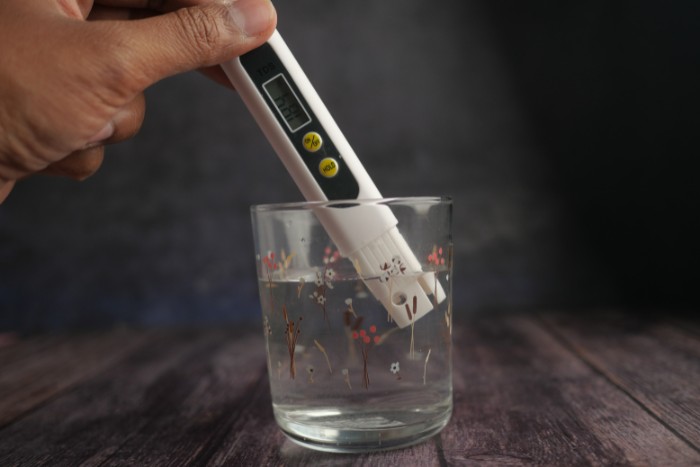
TDS is a broad measurement of all dissolved matter in your water, including minerals from the Colorado River Aqueduct, salts, metals, and other compounds. A TDS digital meter gives you an instant reading in PPM and is one of the easiest ways to get a quick sense of overall water quality. The EPA sets a Secondary Maximum Contaminant Level of 500 PPM for TDS, though many Arizona water sources run well above that threshold. High TDS does not necessarily signal a health danger, but it does affect taste and often correlates with higher hardness and mineral content.
pH and Alkalinity
The pH of your tap water affects corrosion in plumbing, the effectiveness of disinfectants, and the taste of drinking water. Neutral water sits at 7.0. Arizona municipal water typically runs slightly above neutral, which is generally acceptable, but testing gives you confirmation. Low pH water can leach metals from older pipes, while high pH water can accelerate scale formation. At-home test strips measure pH easily, and this indicator pairs well with alkalinity testing to give a fuller picture of your water chemistry.
Iron, Magnesium Sulfate, and Turbidity Levels
Iron concentration shows up in some Arizona well water and in areas where infrastructure aging is a factor. Even low iron levels can cause reddish staining in sinks, toilets, and laundry. Magnesium sulfate contributes to water hardness and can produce a slightly bitter taste at higher concentrations. Turbidity levels measure how cloudy the water appears due to suspended particles, and can spike during monsoon season when supply source shifts occur between Salt River Project canal delivery and local groundwater aquifers.
Coliform Bacteria and Biological Contaminants
Coliform bacteria culture testing is standard for private wells and is recommended any time there is reason to suspect contamination, such as after a flood, a plumbing repair, or a change in water appearance or smell. Municipal water is routinely treated and monitored to prevent biological contamination, but well owners have no such safety net. At-home bacterial test kits exist, but they are less reliable than NELAC-certified laboratory testing for this category of contaminant.
At-Home Test Kits vs. Professional Laboratory Testing
Understanding the difference between at-home test strips and professional lab analysis helps you choose the right starting point for your situation.
At-Home Test Strips and Meters
At-home test strips are widely available and cover the basics well. They are a reasonable first step for homeowners who want a general picture of their water before committing to a professional test. A standard kit will typically screen for:
- Total hardness and calcium carbonate levels
- Free chlorine residual
- pH and alkalinity
- Iron and nitrates
A TDS digital meter is another useful tool that provides an instant numerical reading in PPM for under twenty dollars. The hardness soap test is a low-tech option where you add a few drops of pure soap to a jar of water and shake. Soft water produces rich, stable suds while hard water produces flat, milky results.
Where at-home kits fall short is in detecting lower concentrations of specific contaminants, verifying chloramine levels accurately, or identifying trace metals and chemicals that require EPA Method 200.8 analysis and laboratory-grade equipment.
Professional Laboratory Testing
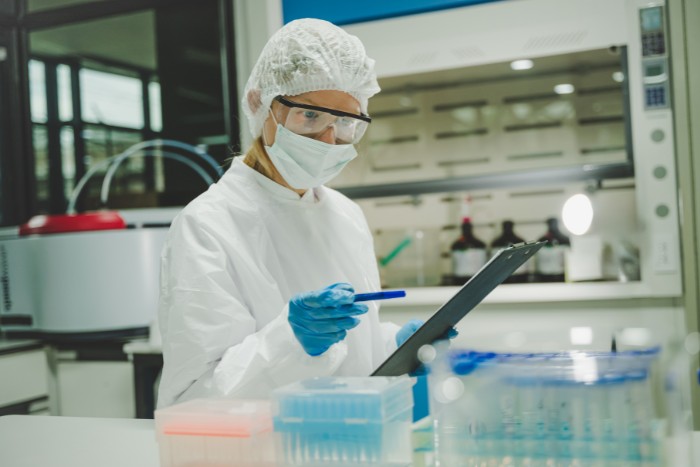
For a thorough understanding of your water quality, professional lab testing is the more reliable option. Labs certified through NELAC Certification follow strict protocols for sample collection, chain-of-custody form documentation, and sample preservation to ensure accurate, legally defensible results. Chandler Analytical Labs, Glendale Water Lab, and other regional facilities offer testing panels that cover a broader range of contaminants than any home kit.
The Arizona Department of Health Services, through ADHS Laboratory Services and the University of Arizona Water Resources program, also maintains resources to help residents locate certified labs and understand testing options. Lab testing is the appropriate choice when:
- You are on a private well without routine municipal monitoring
- A household member has health vulnerabilities such as a compromised immune system, pregnancy, or young children
- Your water’s appearance, taste, or odor has changed, and you cannot identify the cause
- You want confirmation before investing in a point-of-entry system or reverse osmosis membrane installation
How to Collect a Proper Water Sample
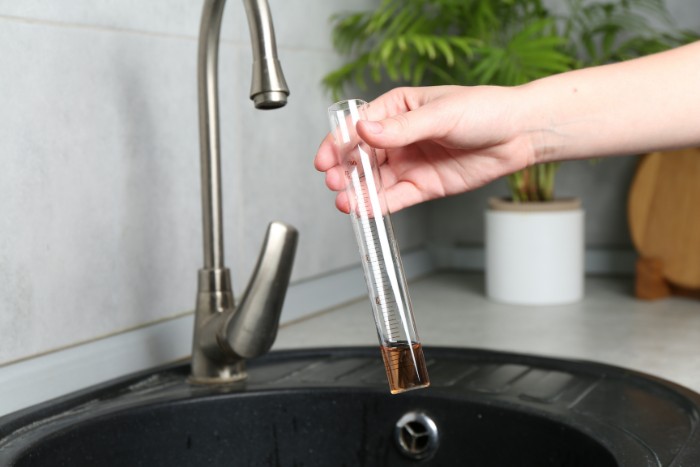
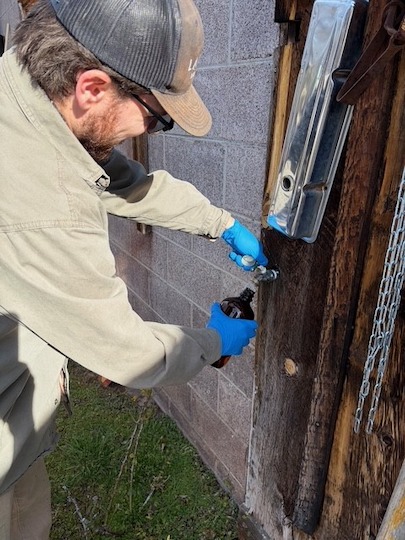
For lab testing, proper sample collection is essential. Most labs provide a sample preservation kit with pre-treated bottles and specific instructions. Here is the general process for a standard tap water sample:
- Remove any aerator from your kitchen faucet and run cold water for two to three minutes to flush the supply line
- Fill the provided sample bottles without touching the inside of the cap or bottle opening
- Seal and label each bottle immediately, then deliver to the lab or ship according to their cold-chain requirements
- Complete the chain-of-custody form fully, as this is required for your results to be valid and traceable
If you are testing specifically for lead, the sample should be collected first draw after the water has sat in the pipes overnight. This captures what has been in direct contact with your plumbing and gives the most conservative, worst-case reading.
How to Read and Interpret Your Test Results
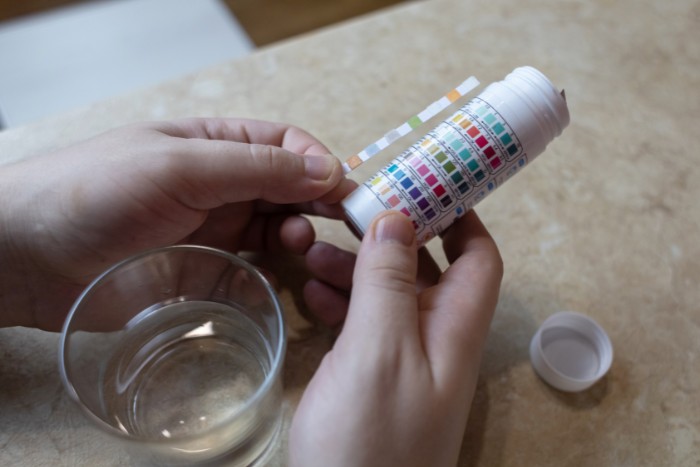
Receiving your results can feel overwhelming if you are not familiar with the measurements. Here is a practical framework for interpreting the most common readings Arizona homeowners will see.
Understanding Water Hardness Numbers
Hardness readings are most useful when you know where your number falls on the scale. For Arizona homes, nearly all municipal supplies land in the hard-to-very hard range:
- 0 to 3.5 gpg: Soft
- 3.5 to 7 gpg: Moderately hard
- 7 to 10.5 gpg: Hard
- Above 10.5 gpg: Very hard (typical for Maricopa County)
At 15 gpg or higher, which is common across the Phoenix metro, the case for a water softener is straightforward. You will see immediate improvements in appliance efficiency, fixture clarity, skin and hair feel, and soap performance.
Understanding TDS and EPA Standards
TDS readings below 300 PPM are generally considered excellent for drinking water. From 300 to 600 PPM is good, from 600 to 900 PPM is fair, and above 900 PPM begins to affect taste noticeably. The National Primary Standards from the EPA cover health-based contaminants, while Secondary Maximum Contaminant levels address aesthetic and taste issues like TDS, iron, and chloride. If your results show hardness above 10 gpg combined with elevated TDS and chlorine, that gives you a clear and actionable picture of your treatment needs.
What to Do After Your Tap Water Test
Test results are useful only if you know what they call for. Here is how typical Arizona water quality findings translate into water treatment options.
High Hardness: Water Softener
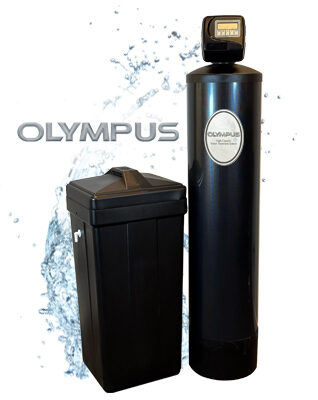
If your hardness reading exceeds 10 gpg, a salt-based water softener using ion exchange resin is the most effective solution. Ion exchange softeners remove calcium and magnesium minerals during the water softener regeneration cycle, replacing them with sodium ions. The result is true soft water throughout your home, protecting plumbing, extending appliance life, and noticeably improving skin, hair, and laundry. A point-of-entry system placed where the water line enters your home treats all water before it reaches any fixture.
Chlorine or Chloramine: Whole House Filtration
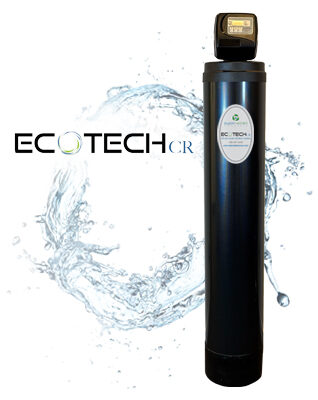
If chlorine or chloramine levels are contributing to taste and odor issues, an activated carbon filter is the standard solution. Whole-house activated carbon block filtration removes both forms of disinfectant along with sediment, VOCs, and other organic compounds. A sediment pre-filter protects the carbon block from debris extending its useful life. For homes with very hard water and filtration concerns, a combined softener and filtration system handles both through a single point-of-entry system installation.
Elevated TDS or Contaminants: Reverse Osmosis
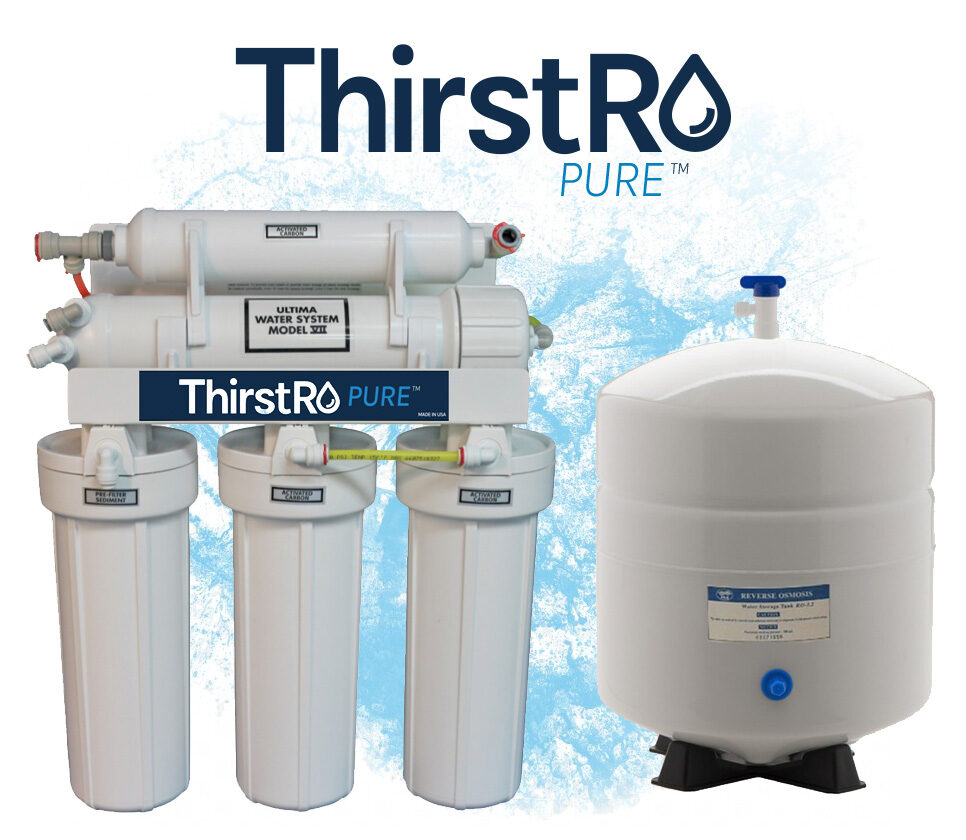
If your TDS readings or contaminant panel show elevated dissolved solids, heavy metals, nitrates, fluoride, or sodium, a reverse osmosis membrane system installed under the kitchen sink is the most effective point-of-use filtration option. RO systems push water through a semi-permeable membrane that removes the vast majority of dissolved contaminants, including many that carbon filters cannot address. Paired with a post-carbon polishing stage, the result is clean, great-tasting drinking water directly from your tap.
Biological Contamination: UV Disinfection
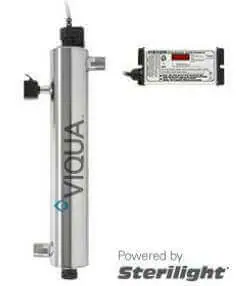
If coliform bacteria or other biological contaminants are detected, particularly in well water, ultraviolet disinfection is a reliable, chemical-free treatment method. UV systems expose water to UV light that inactivates bacteria, viruses, and other microorganisms without altering taste or chemical composition. Well owners should also consult the ADEQ Drinking Water Program about corrective action steps and retesting protocols following any confirmed contamination event.
Why a Tap Water Test Is the Right First Step
Arizona water varies significantly across the Phoenix metro, between Mesa Utilities Division and Peoria Water Services, and between a home connected to the Salt River Project supply and one blended with local groundwater. Two homes a few miles apart can have meaningfully different TDS readings, hardness levels, and disinfectant profiles. Assuming your water matches the regional average is a starting point for frustration, not solutions.
A tap water test removes the guesswork. It tells you exactly what you are dealing with, which systems make sense for your household, and what level of treatment will actually solve the problems you are experiencing. It also protects you from over-investing in a system you do not need or under-investing in one that does not address your actual water chemistry.

At Clear Water Concepts, we offer free water hardness testing as the starting point for every homeowner consultation. Our local team has been working with Arizona water conditions since 1998 and understands the specific characteristics of water in Phoenix, Mesa, Glendale, Tucson, and across the East Valley. We will walk you through your results in plain language, explain your options without pressure, and recommend only what your water actually calls for.
Ready to find out what is in your water? Schedule your free water test today. It is the simplest thing you can do to start making smarter decisions about your home’s water quality.