(480) 373-9949
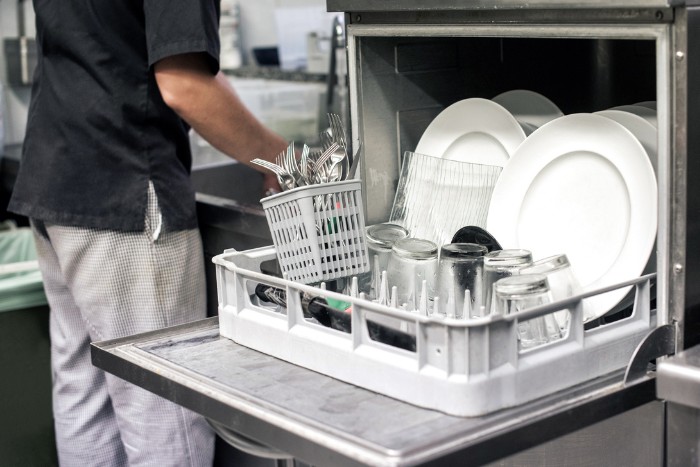
Phoenix businesses operate in one of the toughest water environments in the United States. Across Maricopa County, water hardness commonly ranges from 15 to 25+ grains per gallon, creating constant challenges for commercial plumbing systems, equipment efficiency, and operational costs. For hotels, restaurants, medical facilities, apartment communities, and industrial operations, choosing the best commercial water softener systems is not simply a maintenance decision. It is a long-term infrastructure investment.
This guide explains how commercial water softeners perform under Phoenix conditions, compares the top system configurations by application, and provides a practical framework business owners and facility managers can use to select the right system with confidence.
Why Commercial Properties in Phoenix Need Water Softening
The Phoenix metro water supply, sourced primarily from the Salt River Project, Colorado River allocations, and regional groundwater blending, contains elevated levels of calcium and magnesium minerals. These minerals create extreme scaling conditions known throughout the Sonoran Desert.
Common commercial problems caused by Phoenix water hardness include:
- Calcium buildup inside boilers and water heaters
- Limescale damage to dishwashers and commercial appliances
- Reduced heat transfer efficiency
- Increased energy consumption
- Fixture staining and maintenance complaints
- Premature equipment failure
For businesses operating high-demand water systems, untreated hard water leads directly to higher operating expenses.
A properly designed Phoenix commercial water softener eliminates hardness minerals through ion exchange, protecting equipment while improving operational reliability.
What Makes a Water Softener Truly Commercial Grade?
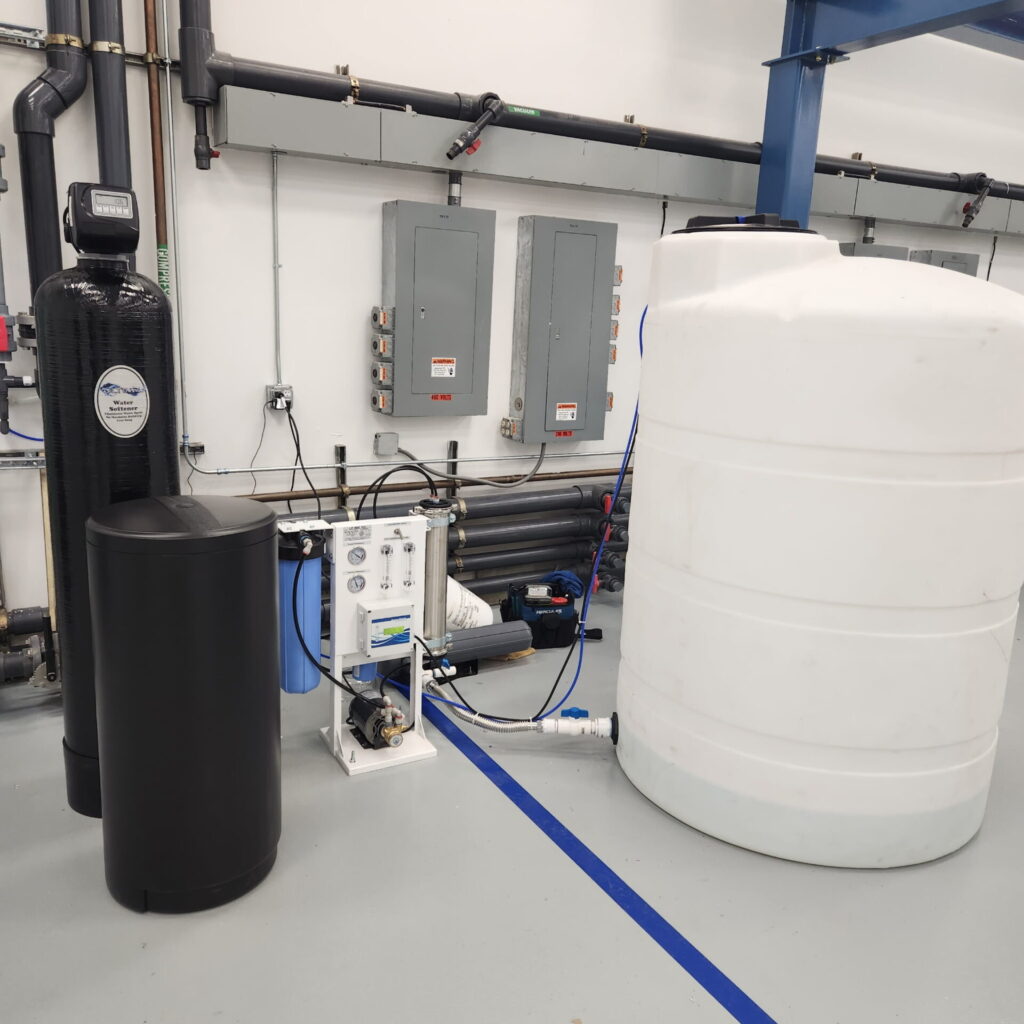
1. Control Valve Flow Rating
Commercial systems require control valves engineered for sustained high flow. Residential valves typically fail under continuous demand.
Commercial-grade valves should support:
- High peak flow rate capacity
- Continuous duty cycle operation
- Demand-initiated regeneration controls
2. Grain Capacity for Arizona Hardness
Because Phoenix water hardness exceeds national averages, commercial systems must provide higher grain capacity and faster regeneration frequency.
Systems sized for softer regions often fail prematurely in Arizona.
3. Continuous Duty Cycle Certification
Facilities such as hotels or hospitals cannot tolerate downtime during regeneration cycles. Commercial softeners must maintain uninterrupted soft water production.
4. Larger Brine Tank Size and Resin Volume
Commercial ion exchange resin beds must withstand heavy usage while maintaining efficiency.
Understanding Phoenix Commercial Water Conditions
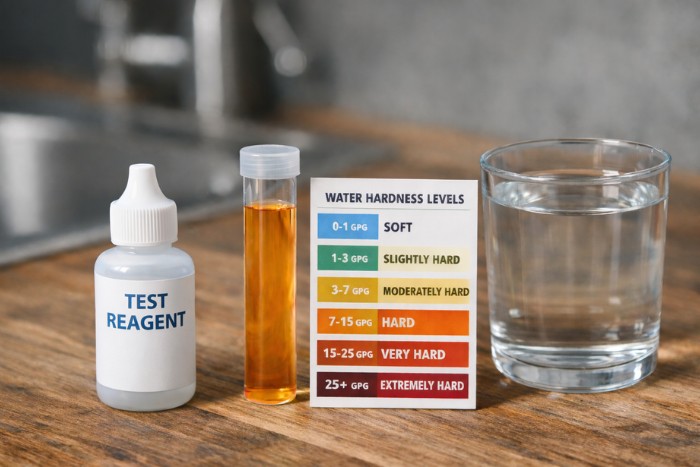
Water hardness varies across the Valley:
- Phoenix water hardness: typically 15–25+ gpg
- Scottsdale water hardness: frequently above 20 gpg
- Mesa and Gilbert: elevated mineral concentrations due to groundwater blending
- Chandler and East Valley: fluctuating hardness levels
These conditions require higher regeneration frequency and robust equipment compared to national averages. Without proper sizing, scale prevention becomes impossible.
Category 1: High-Capacity Commercial Water Softeners (60–100+ GPM)
Best For:
- Hotels and resorts
- Multi-unit property softener systems
- Senior living communities
- Industrial laundry facilities
- Large HOA water treatment applications
High-capacity systems are designed as whole building water softeners operating at peak flow rates exceeding 60 gallons per minute.
Key Features:
- Large ion exchange resin tanks
- High backwash flow rate capability
- NSF-certified softener components
- Demand-initiated regeneration
- Industrial control valve assemblies
These systems manage heavy daily usage while preventing scale accumulation throughout entire buildings.
Why They Work in Phoenix:
Phoenix’s extreme hardness accelerates scale formation. High-capacity ion exchange systems remove calcium before it enters mechanical systems, dramatically reducing maintenance costs.
Category 2: Compact Commercial Softeners (15–40 GPM)

Best For:
- Restaurants
- Medical office water softener applications
- Coffee shops and bakeries
- Dental offices
- Small commercial buildings
Compact commercial softeners balance performance with limited installation space.
Advantages:
- Smaller footprint
- Efficient regeneration cycles
- Lower upfront cost
- Ideal for point-of-entry system installations
Restaurants especially benefit from softened water because:
- Dishware becomes spot-free
- Ice machines last longer
- Coffee and beverage quality improve
Phoenix restaurant operators often underestimate how much hard water affects customer experience.
Category 3: Dual Alternating Water Softeners (24/7 Operations)

Best For:
- Hospitals and medical facilities
- Manufacturing operations
- Hotels with continuous occupancy
- Data centers and cooling systems
A dual alternating water softener uses two tanks operating in sequence. When one regenerates, the other continues supplying soft water.
Benefits:
- Zero downtime during regeneration
- Continuous duty cycle softener performance
- Stable water quality
- Reduced pressure fluctuations
This configuration is widely considered the gold standard for mission-critical commercial environments.
Salt-Based vs Salt-Free vs Hybrid Technologies
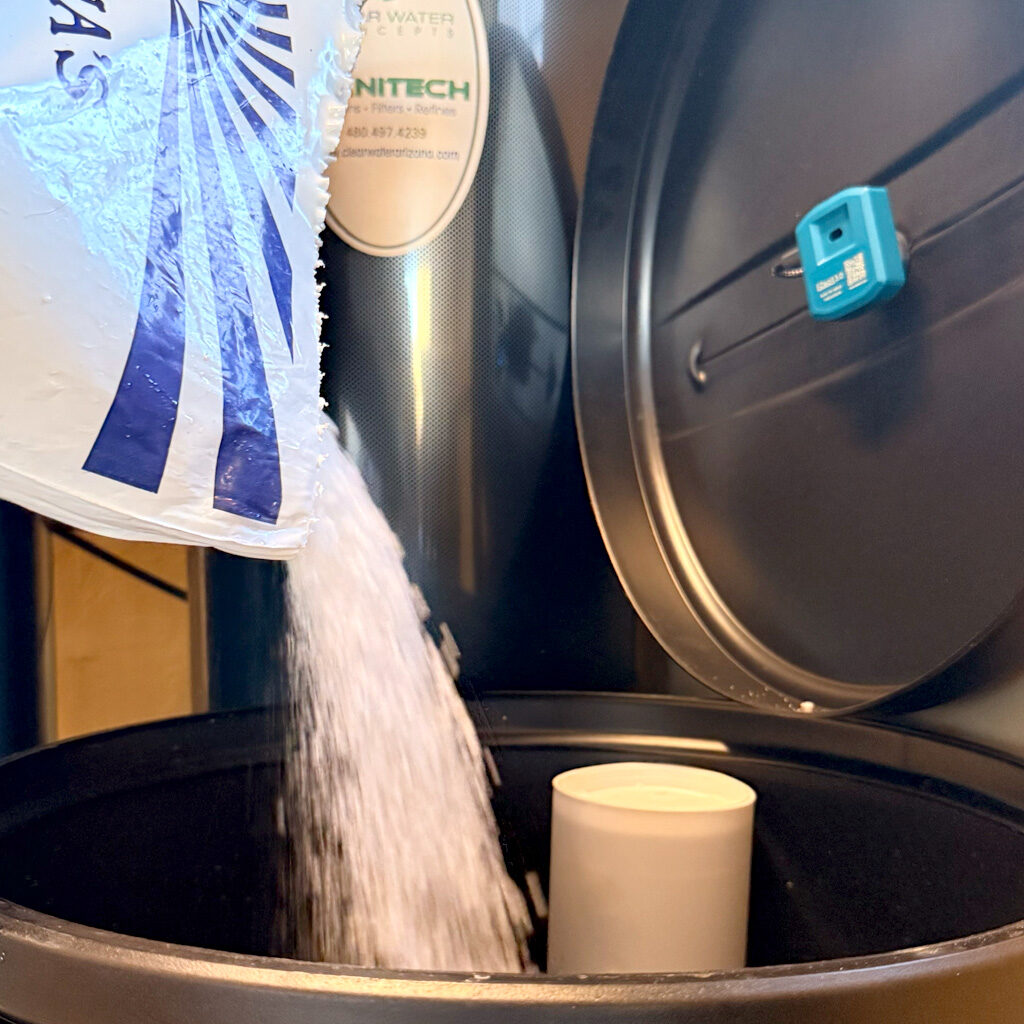
Salt-Based Commercial Softener (Ion Exchange)
✅ Best overall performance for Phoenix.
Removes hardness minerals entirely using ion exchange resin.
Pros:
- Complete scale prevention
- Reliable under high hardness
- Protects equipment long-term
Cons:
- Requires salt replenishment
- Needs drainage access
For Arizona commercial applications, salt-based water systems remain the industry standard.
Salt-Free Commercial Conditioner
Salt-free water systems use template-assisted crystallization (TAC) or similar processes.
Pros:
- Lower maintenance
- No salt storage
Cons:
- Does not remove hardness minerals
- Limited effectiveness in 20+ gpg hardness
Under Phoenix conditions, salt-free systems often fall short for heavy commercial usage.
Hybrid Water Softener Systems
Hybrid systems combine filtration with ion exchange.
Ideal for:
- Businesses needing sediment reduction
- Facilities managing total dissolved solids
- Applications requiring improved water clarity
Hybrid designs are increasingly popular in Phoenix commercial installations.
Matching Systems to Business Types
Hotels and Multi-Unit Properties
Require:
- High-grain-capacity commercial units
- Dual alternating systems
- Large brine tanks
- Continuous duty cycle operation
Benefits include reduced plumbing repairs and improved guest satisfaction.
Restaurants and Food Service
Need:
- Compact commercial softeners
- Reliable regeneration frequency
- Consistent water quality
Soft water improves equipment lifespan and beverage taste consistency.
Medical Offices
Require:
- Stable water pressure
- Mineral-free equipment operation
- Reduced calcium buildup on sterilization equipment
A properly sized system protects sensitive instruments.
HOA and Facility Management Applications
HOA boards benefit from whole building water softeners that:
- Reduce maintenance calls
- Protect shared plumbing systems
- Improve resident satisfaction
Vendor Evaluation Framework for Phoenix Businesses
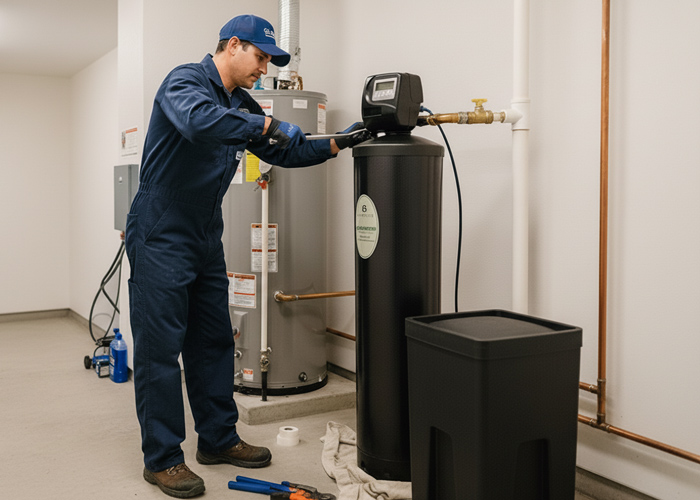
Before selecting a contractor, verify:
Licensing and Local Experience
Choose Phoenix water softener contractors familiar with Maricopa County water conditions.
System Design Process
Avoid vendors who skip water testing.
A proper evaluation includes:
- Water hardness test kit analysis
- Flow demand calculation
- Peak flow rate measurement
- Equipment sizing documentation
Service Contract Structure
Ask about:
- Maintenance intervals
- Resin inspection schedules
- Emergency service response
- Salt delivery programs
Commercial systems require ongoing support.
Installed Cost Expectations in Phoenix

Commercial softener costs vary depending on capacity and configuration.
Typical ranges:
| System Type | Estimated Installed Range |
| Compact commercial softener | $4,000–$10,000 |
| Mid-size commercial system | $10,000–$25,000 |
| High-capacity system | $25,000–$75,000+ |
| Dual alternating system | $35,000–$100,000+ |
Costs depend on plumbing complexity, building size, and regeneration requirements.
Signs Your Commercial Property Needs a Water Softener Upgrade

- Scale buildup on fixtures
- Increased equipment maintenance
- Rising energy costs
- Limescale damage in boilers
- Customer complaints about water quality
- Frequent appliance replacement
These symptoms indicate that untreated hardness is damaging infrastructure.
Why Phoenix Requires Specialized Commercial Systems
The Sonoran Desert hard water environment accelerates mineral scaling faster than most regions in the United States.
Factors include:
- High total dissolved solids
- Elevated calcium carbonate levels
- Continuous evaporation concentration
- Groundwater mineral blending
Commercial systems must be engineered specifically for these conditions.
Long-Term Benefits of Commercial Water Softening

Businesses installing properly sized systems often see:
- Extended appliance lifespan
- Lower energy consumption
- Reduced plumbing repairs
- Improved operational efficiency
- Better customer experience
Scale prevention alone can offset system cost through maintenance savings.
Choosing the Best Commercial Water Softener System in Phoenix
The best system depends on three factors:
- Peak flow rate requirements
- Water hardness levels
- Operational uptime needs
In Phoenix, salt-based commercial ion exchange systems consistently outperform alternatives under extreme hardness conditions.
Dual alternating configurations provide the highest reliability for continuous operations, while compact commercial units offer efficient solutions for smaller facilities.
Work With Phoenix Commercial Water Experts

Selecting a commercial water softener is not just about equipment. Proper sizing, installation, and long-term service determine success.
Clear Water Concepts helps businesses, property managers, and HOA boards throughout Phoenix, Mesa, Glendale, and Tucson design commercial water treatment systems built specifically for Arizona water conditions.
If your facility is experiencing scale buildup, rising maintenance costs, or equipment inefficiency, the first step is a professional water evaluation.
Schedule a commercial water consultation today to discover which commercial water softener system is right for your Phoenix property and protect your building from hard water damage long term.