(480) 373-9949
If you’ve ever wondered, “Is it okay to drink hard water?” and live in the Phoenix area, you’re not alone. Phoenix and the broader Arizona region have some of the hardest tap water in the nation, with mineral concentrations that can affect everything from appliance longevity to the taste of your drinking water.
But when it comes to drinking hard water safety, there’s a big difference between nuisance issues (like scale buildup and spotty dishes) and actual health risks. This article explains what hard water is, how it affects water quality in Phoenix, and whether it’s truly safe to drink, backed by scientific evidence and water quality standards.
What Is Hard Water?
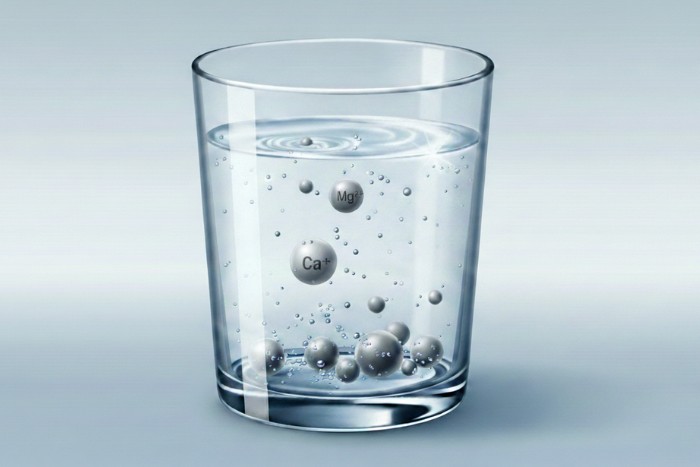
Hard water is water that contains elevated levels of dissolved minerals, specifically calcium carbonate and magnesium sulfate. These minerals do not pose direct health hazards at typical tap water levels, but they do affect how water behaves in your home.
Hardness is generally measured as grains per gallon (gpg) or parts per million (PPM) of total dissolved minerals. The USGS hardness scale categorizes water as:
- Soft: 0–3.5 gpg
- Moderately hard: 3.5–7 gpg
- Hard: 7–10.5 gpg
- Very hard: above 10.5 gpg
In much of the Phoenix metro area, including Scottsdale, Mesa, Glendale, and Peoria, tap water frequently registers well into the “very hard” category. Phoenix’s water supply comes from a blend of Colorado River water, Salt River Project (SRP) water, Verde River water, and local Phoenix groundwater, all of which carry natural mineral content.
Hard Water in Phoenix: Why It Happens
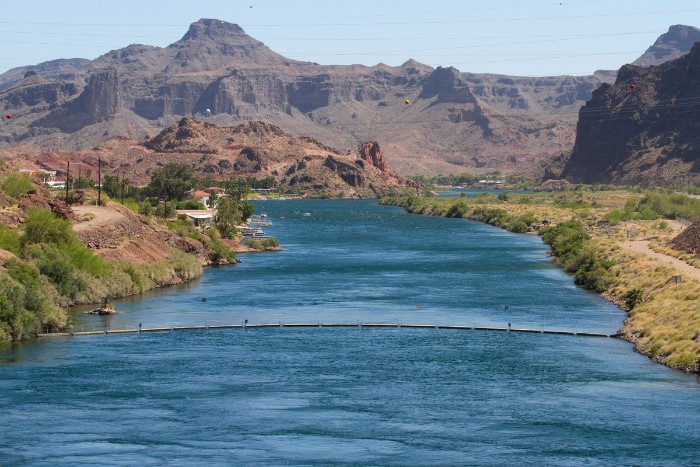
The desert geology around Phoenix contributes to hard water:
- Colorado River water moves through mineral‑rich soils and picks up calcium and magnesium.
- Salt River Project water also absorbs dissolved minerals from sedimentary rock.
- Phoenix groundwater flows through aquifers high in calcium carbonate and other minerals.
These hard water minerals contribute to high total dissolved solids (TDS) and limescale formation. According to the 2025 Phoenix Consumer Confidence Report (CCR) and local water quality reports, many Phoenix ZIP codes (e.g., 85008, 85003) show hardness well above national averages.
Safety vs. Nuisance: Understanding the Difference

When people ask, “Is it safe to drink hard water?”, they often mean one of two things:
- Health risks from mineral content
- Annoyances like soap scum, cloudy glassware, or buildup
The key is understanding that hard water alone isn’t considered unsafe under drinking water standards like the EPA Safe Drinking Water Act or the WHO water guidelines. Hard water is not harmful by itself, and the minerals are generally considered safe at the levels found in municipal tap water.
However, hard water can cause secondary issues that are unpleasant or inconvenient:
- Limescale buildup on faucets and fixtures
- Cloudy residue and spotty dishes
- Dry skin irritation and hair dullness
- Reduced water pressure from plumbing mineral buildup
- Hot water heater inefficiency due to scale
- Appliance scale damage in dishwashers or washing machines
These are quality‑of‑life problems, not direct toxicity or health threats.
What the Science Says About Drinking Hard Water
Multiple public health authorities confirm that mineral content at levels typical in hard water does not pose known health risks:
- Calcium and magnesium are essential nutrients. In fact, some studies suggest that consuming mineral‑rich water could contribute modestly to daily mineral intake.
- The World Health Organization notes that while minerals contribute to flavor, they are not considered harmful in most situations.
- The EPA does not regulate water hardness because it is not considered a pollutant or health hazard.
For most healthy adults, drinking Phoenix’s hard water is not unsafe.
Misconceptions About Hard Water Safety
Myth: Hard Water Causes Kidney Stones
While calcium is a component of many kidney stones, research does not support a direct link between drinking hard water and increased kidney stone risk. Stone formation is a complex process influenced by diet, genetics, and hydration levels, not solely water hardness.
Myth: Hard Water Leads to Cardiovascular Problems
There is no strong evidence that hard water contributes to heart disease. Some studies even show neutral or slightly beneficial effects of higher mineral intake from water on cardiovascular markers, but the data is not conclusive.
Myth: Hard Water Disrupts Nutrient Absorption
The body efficiently absorbs calcium and magnesium from food, not water. Hard water minerals contribute only a small percentage of total daily intake, and there’s no evidence that they interfere with nutrient absorption.
When Hard Water Is Actually a Safety Concern
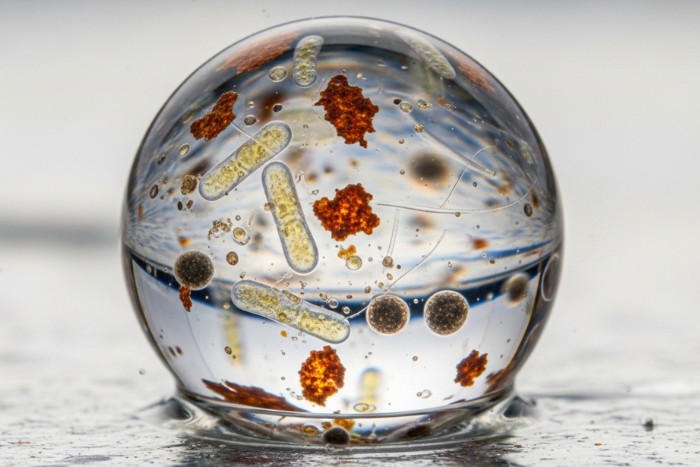
Although mineral hardness itself is not a health risk, other water quality issues can be. These include:
Microbial Contamination
Bacteria, viruses, or pathogens, unrelated to hard water minerals, can pose actual health risks. This is more common in private well water and requires regular well water testing with methods like coliform, E. coli, or pathogen panels.
Chemical Contaminants
Heavy metals, pesticides, or disinfection byproducts can be present in water and pose health concerns. Periodic testing for arsenic, lead, and nitrates is especially recommended for private well systems.
Taste, Odor, or Visual Concerns
Even if water is technically safe to drink, poor taste or appearance may lead homeowners to pursue filtration or alternate sources.
If you notice persistent foul taste or color changes, or if staining appears on fixtures, it may be more than just hardness.
How to Decide if You Need Additional Water Treatment
If your primary issue is hard water, not contamination, you have several options:
Whole‑House Water Softeners
Softening systems use ion exchange to replace calcium and magnesium with sodium or potassium. This reduces scale buildup in plumbing and appliances. A whole‑house system protects baths, laundry, and fixtures, not just drinking water.
Reverse Osmosis (RO) Systems
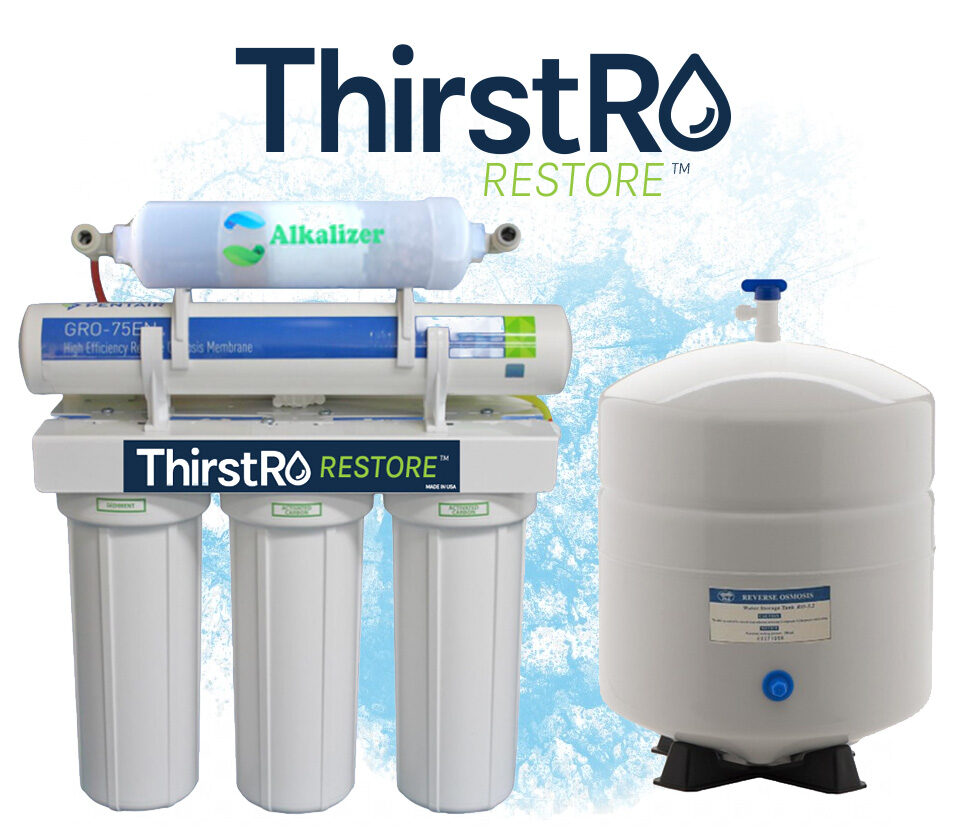
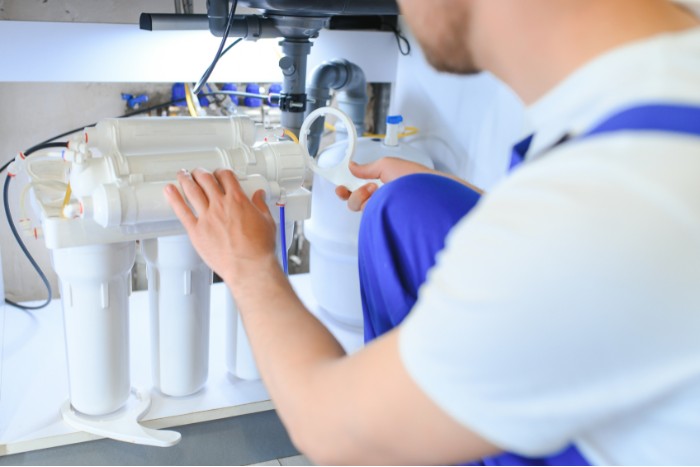
RO systems installed at a point‑of‑use (like under the kitchen sink) provide purified drinking water by filtering out many impurities, including certain chemicals and microbes.
Carbon Block Filters
These improve taste and odor and can reduce chlorine and some organic compounds.
Salt‑Free Conditioners
These do not remove hardness minerals but help prevent scale accumulation.
When Water Testing Matters Most
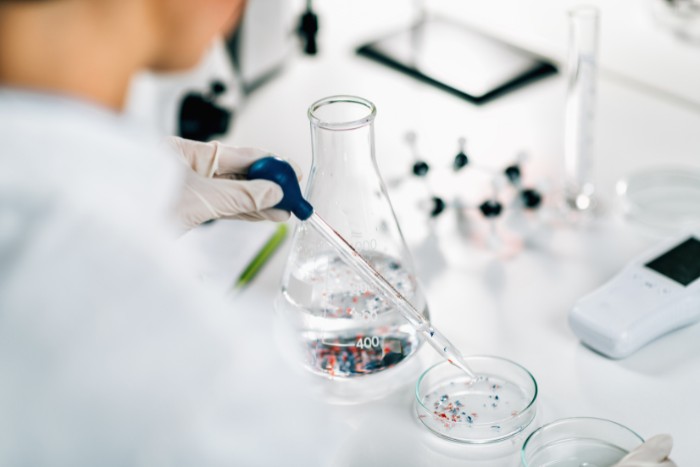
For municipal water users, periodic review of your Phoenix Water Quality Report or an annual independent water test can confirm hardness levels and identify any emerging issues.
If you use a private well, comprehensive testing (hardness, mineral content, bacteria, nitrate, and metals) is essential to ensure safety.
A home water test kit can measure hardness in grains per gallon or PPM, giving you a clearer picture of your mineral content.
Practical Steps for Arizona Homeowners
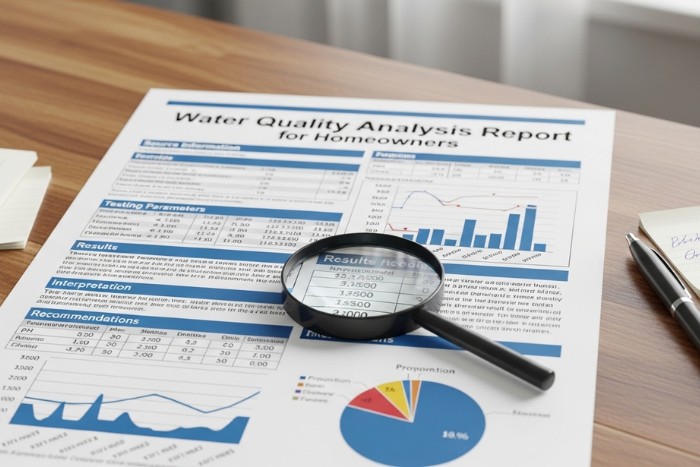
- Check your latest Phoenix water quality report from City of Phoenix Water Services or ADEQ.
- Measure your water hardness with a test kit or professional analysis.
- If you notice nuisance issues (scale, spots, low pressure), consider a water softener system.
- For drinking water quality (microbes, taste, chemicals), consider RO or carbon filtration.
- For well owners, get an annual water analysis to monitor for contaminants.
Final Verdict: Is It Safe to Drink Phoenix’s Hard Water?
Yes, hard water in Phoenix is generally safe to drink from a health perspective. The high mineral content (calcium, magnesium) may be a nuisance in your home, contributing to:
- Scale buildup in pipes and water heaters
- Cloudy residue and spotty dishes
- Dry skin and hair
- Reduced appliance efficiency
…but it is not considered a health risk under EPA or WHO guidelines, assuming no underlying contamination issues.
If you want extra confidence in your drinking water, consider combining point‑of‑use filtration (like reverse osmosis or carbon block filters) with your existing tap while using a whole‑house softener for daily use and scale prevention.
Need Help Improving Your Water Quality?

At Clear Water Concepts, we specialize in water treatment solutions designed for Arizona’s hard water. Whether you want to reduce scale throughout the home or improve drinking water quality, we can help you find the right system:
Explore Whole House Water Softeners & Filtration Systems
Learn About Reverse Osmosis Drinking Water Systems
Let us help you make confident, informed decisions about your water, so your water works for your health and home.