(480) 373-9949
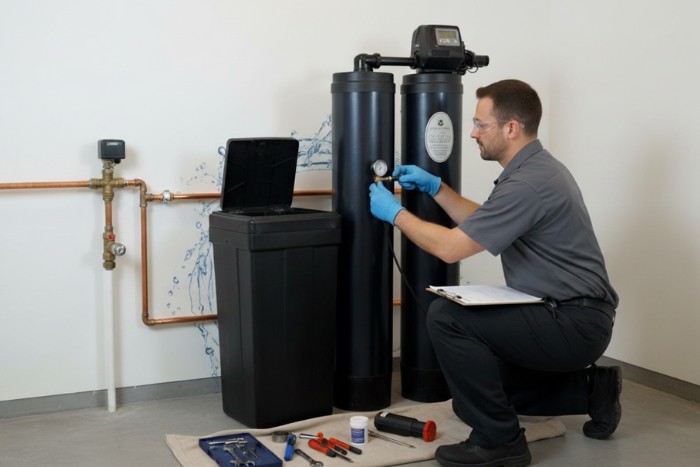
Hard water is a fact of life for Phoenix homeowners. With local municipal water supplies averaging between 9–20 grains per gallon (gpg), mineral buildup is a constant threat to plumbing systems, appliances, and daily water quality. While installing a water softener is an important first step, ongoing water softener service is what ensures the system continues to work properly year after year.
Many homeowners assume a water softener runs indefinitely without attention. In reality, regular water softener service in Phoenix plays a critical role in system performance, efficiency, and longevity. This article explains exactly how professional water softener service works, what happens during a service visit, and why it matters in Phoenix’s hard water environment.
Why Water Softener Service Matters in Phoenix
Phoenix water comes primarily from the Salt River Project, Colorado River sources, and regional groundwater supplies. As water travels through mineral‑rich soil and rock, it absorbs calcium and magnesium, the two minerals responsible for hard water.
Over time, these hard water minerals create:
- Scale buildup inside plumbing
- Reduced water heater efficiency
- Soap scum on fixtures
- Spotty dishes and glassware
- Dry skin and hair
- Shortened appliance lifespan
Even the best water softener will lose effectiveness if it is not properly maintained. Regular Phoenix water softener maintenance ensures the ion exchange process continues removing hardness minerals before they reach your home’s plumbing and appliances.
What Happens During a Water Softener Service Visit
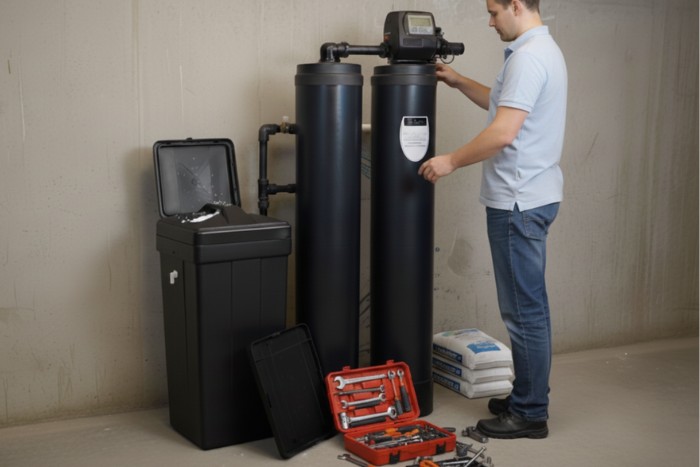
Professional water softener service follows a structured process designed to restore and optimize system performance. Below is a breakdown of what Phoenix homeowners can expect during a standard service appointment.
Step 1: Initial System Inspection and Diagnostics
The service visit begins with a complete system evaluation. A trained water softener technician in Phoenix inspects the unit for visible issues and operational concerns.
This includes:
- Verifying the system is not stuck in bypass mode
- Checking for leaks around the media tank and brine tank
- Inspecting plumbing connections
- Reviewing system age, model, and configuration
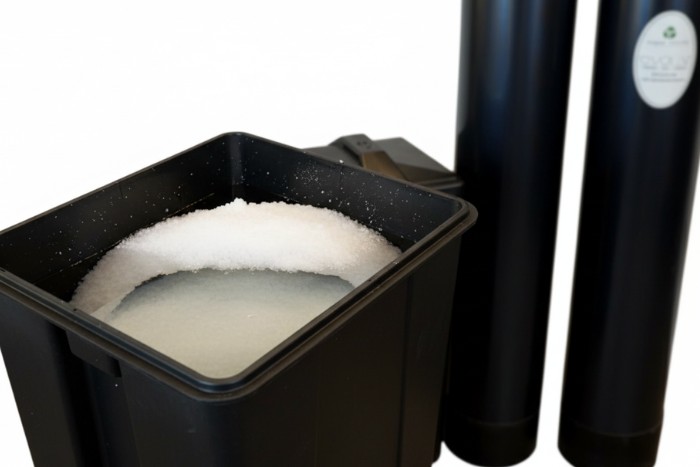
Technicians also look for early warning signs such as salt crusting, brine tank sludge, or unusual noises during regeneration.
Step 2: Water Hardness Testing
Next, technicians perform water hardness testing using a calibrated hardness test kit. This confirms whether the system is effectively reducing hardness from Phoenix’s municipal supply.
Typical Phoenix hardness levels:
- 9–20 gpg hard water
- Classified as “very hard” to “extremely hard.”
Testing includes:
- Hardness at the inlet (untreated water)
- Hardness at the outlet (softened water)
If softened water still shows elevated hardness, the system may require resin bed cleaning, regeneration calibration, or mechanical adjustments.
Step 3: Resin Bed Inspection and Rejuvenation
The ion exchange resin is the heart of a salt‑based water softener. Over time, resin beads can become fouled with iron, sediment, or organic material, reducing their ability to remove calcium and magnesium.
During service:
- The resin bed is evaluated for performance loss
- Cleaning or chemical rejuvenation may be applied
- The resin condition is assessed to determine the remaining lifespan
Proper water softener rejuvenation restores mineral removal capacity and improves efficiency without requiring immediate resin replacement.
Step 4: Control Valve Inspection and Adjustment
The control valve manages:
- Water flow
- Regeneration timing
- Backwash and rinse cycles
- Salt dosage
Technicians inspect and adjust:
- Control valve settings
- Demand‑initiated regeneration programming
- Flow meter accuracy
- Internal seals and pistons
Control valve adjustment ensures the system regenerates only when needed, conserving water and salt while maintaining consistent soft water delivery.
Step 5: Brine Tank Cleaning and Salt Assessment
The brine tank is inspected and cleaned as part of routine brine tank maintenance. This step prevents common salt-related issues that reduce performance.
Service includes:
- Removing sludge or salt mushing
- Checking for salt bridges
- Assessing salt dosage
- Confirming the correct salt type is being used
Phoenix homeowners often use:
- Salt pellets
- Solar salt crystals
- Potassium chloride (for reduced sodium intake)
Proper salt management is essential for consistent regeneration cycles.
Step 6: Regeneration Cycle Calibration
The technician then evaluates the water softener regeneration cycle, including:
- Backwash phase
- Brine draw
- Rinse cycles
- Refill timing
Adjustments are made based on:
- Household water usage
- Phoenix water hardness levels
- System grain capacity
Correct regeneration cycle calibration prevents under‑softening, excessive salt consumption, and unnecessary water waste.
Step 7: Efficiency and Flow Rate Verification
System efficiency is verified by checking:
- Flow rate performance
- Pressure consistency
- Meter operation
- Bypass valve function
Proper servicing helps maintain:
- Stable water pressure
- Reduced scale formation
- Reliable soft water output during peak demand
This step supports plumbing fixture longevity and helps prevent mineral scale from returning to pipes and appliances.
Step 8: Post‑Service Verification and Final Testing
After servicing is complete, technicians perform post‑service verification to confirm:
- Softened water meets hardness targets
- Regeneration cycles initiate properly
- No leaks or mechanical issues remain
Homeowners are shown test results and informed of any recommended future maintenance or adjustments.
How Often Phoenix Homeowners Need Water Softener Service

Service frequency depends on several factors:
- Household size
- Daily water usage
- Water hardness levels
- System age and model
General guidelines:
- Annual water softener inspection is recommended
- Homes with high water usage may require more frequent service
- Older systems benefit from yearly diagnostics and cleaning
Routine water softener service in Phoenix helps prevent emergency repairs and extends overall system lifespan.
Signs Your Water Softener Needs Service
Phoenix homeowners should schedule service if they notice:
- Hard water spots returning
- Soap scum buildup
- Reduced soap lather
- Dry skin or hair
- Increased salt usage
- Salt bridges or brine tank overflow
- Unusual noises during regeneration
- Reduced water pressure
These symptoms indicate the system may no longer be removing calcium and magnesium effectively.
Benefits of Professional Water Softener Service
Regular professional servicing delivers long‑term benefits, including:
- Scale buildup prevention
- Protection for water heaters and appliances
- Improved soap and detergent efficiency
- Stable water pressure
- Extended system lifespan
- Reduced operating costs
Proper maintenance keeps hard water treatment systems working as designed, even under Phoenix’s demanding conditions.
Why Professional Service Beats DIY Maintenance
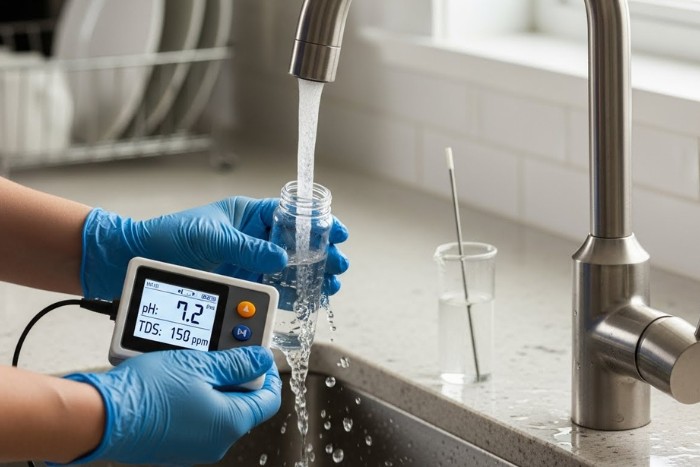
While homeowners can add salt and visually inspect tanks, professional service provides:
- Accurate hardness testing
- Resin bed diagnostics
- Control valve recalibration
- Salt dosage optimization
- Efficiency verification
Licensed technicians understand Phoenix, AZ water hardness, system behavior, and manufacturer‑specific requirements, reducing the risk of improper adjustments.
Trusted Water Softener Service in Phoenix

Phoenix homeowners rely on professional water treatment specialists for:
- Water softener service and repair
- Routine maintenance
- System optimization
- Long‑term scale protection
Clear Water Concepts provides professional water softener cleaning, diagnostics, and service tailored to Phoenix’s municipal water conditions. With deep knowledge of Salt River Project water, Colorado River minerals, and local hardness challenges, their technicians help homeowners maintain consistent soft water year‑round.
Why Water Softener Service Is Essential in Phoenix
Installing a water softener is only part of the solution. Without routine water softener service, even high‑quality systems lose effectiveness over time. Phoenix’s hard water places constant stress on softeners, making professional maintenance essential for performance and reliability.
By understanding how water softener service works and scheduling regular inspections, Phoenix homeowners can protect their plumbing, appliances, and water quality for years to come.
If you suspect your system isn’t performing as it should, or it’s been more than a year since your last inspection, contact Clear Water Concepts to restore efficiency and peace of mind.