(480) 373-9949
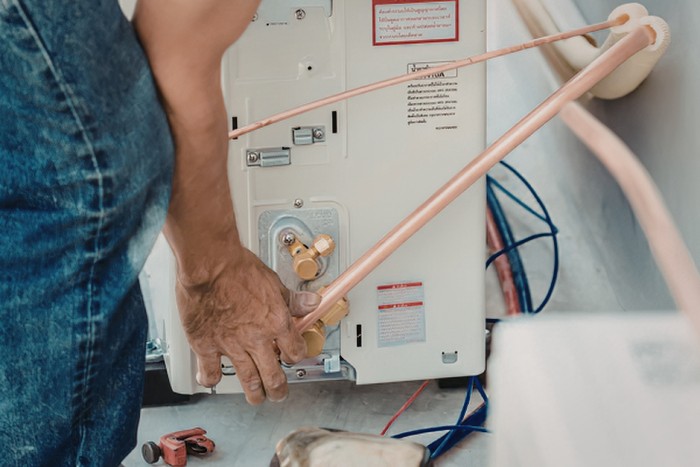
Most Arizona homeowners who invest in a water softener understand the basics of maintaining their system’s optimal performance. Salt levels are checked, regeneration cycles run on schedule, and the unit operates quietly in the garage or utility room. What many of those same homeowners do not realize is that the softened water flowing through their home can also change how they need to care for their water heater. Two maintenance tasks in particular deserve attention: water heater flushing and anode rod replacement. Both are often overlooked, and both become even more important once softened water enters the picture.
What Water Heater Flushing Actually Does
Over time, minerals and debris from your water supply settle at the bottom of your water heater tank. In Arizona, where water pulled from the Salt River Project and Colorado River carries high levels of calcium, magnesium, and dissolved solids, this sediment buildup happens faster than in most parts of the country. Even after a water softener removes hardness minerals through ion exchange, small amounts of sediment and other particles can still make their way into the tank.
When sediment accumulates at the bottom of the tank, it creates a layer of insulation between the heating element and the water. Your heater has to work harder and run longer to reach the set temperature, which drives up energy costs and puts added strain on the unit. Over time, that trapped sediment can also cause overheating at the bottom of the tank, which weakens the steel and accelerates wear.
Flushing the water heater removes that buildup. The process involves connecting a hose to the water heater drain valve, allowing the tank to drain fully or partially, and letting the sediment flush out with the water. Homeowners who want to DIY flush water heater maintenance can often handle this task themselves, though a few precautions apply. The water that drains out will be very hot, and stirring up sediment can temporarily affect water clarity. A complete water heater sediment removal typically takes under an hour with the right tools and preparation.
Why You Need the Anode Rod to Protect Your Tank
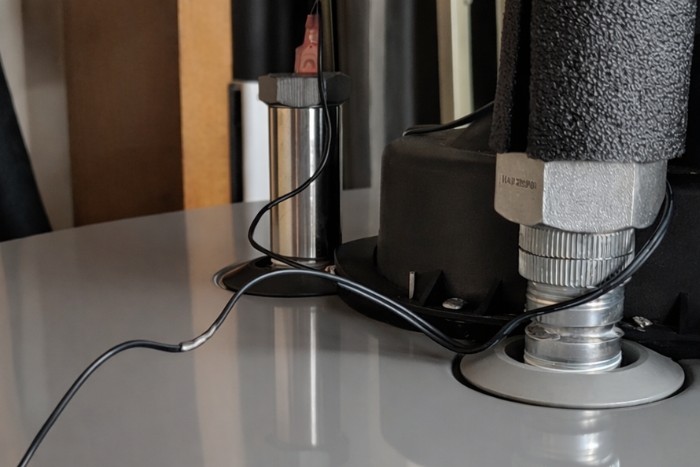
The anode rod is one of the least discussed but most important components inside your water heater. It is a long metal rod, usually made of magnesium, aluminum, or an aluminum-zinc alloy, that is threaded into the top of the tank. Its entire purpose is to corrode so that the tank does not.
Steel water heater tanks are vulnerable to rust and corrosion from the inside. The sacrificial anode rod works by attracting electrochemical activity to itself, essentially offering itself up so that the galvanized steel tank around it stays protected. As long as the rod has material left to give, the tank is shielded. When the rod depletes completely, the tank itself becomes the target of that same corrosion.
Anode rod replacement is not the same as flushing your water heater. Many homeowners assume a standard maintenance call covers both, but that is not always the case. Flushing addresses sediment. Inspecting or replacing the anode rod addresses corrosion protection. They are separate tasks that are often addressed together because both relate to the long-term health of the tank, and it makes practical sense to combine them during annual water heater maintenance.
How Softened Water Changes the Picture

Here is where softened water heater maintenance gets a little more nuanced. A water softener uses an ion exchange process to swap calcium and magnesium minerals out of your water and replace them with a small amount of sodium. That sodium-softened water is much gentler on your pipes, fixtures, and appliances in most ways, but it has a different effect inside the water heater.
Softened water is more chemically aggressive than hard water when it comes to metal surfaces. Because the water has fewer competing minerals, it draws more readily from whatever metal it contacts, which, inside the tank, often means the anode rod. The water softener’s impact on anode rod life is significant. In homes with a water softener, anode rods tend to deplete faster than in homes using hard water. What might last six years in a hard water home could be significantly reduced with soft water.
This is the key insight for softened water heater maintenance: reduced sediment does not mean reduced maintenance overall. In fact, the opposite may be true when it comes to the anode rod. Soft water anode depletion happens more quickly, which means frequent anode checks are not just a good idea; they are a necessity.
There is also a specific concern about the magnesium anode rod type. While magnesium rods are very effective in hard water environments, they tend to corrode even faster in soft water conditions. Many plumbers and water treatment professionals recommend switching to an aluminum zinc anode rod or even a powered anode rod for soft water applications. The best anode rod for softened water depends on your specific water chemistry and usage, but it is worth discussing with a professional before your next replacement.
Signs Your Water Heater Needs to Be Flushed
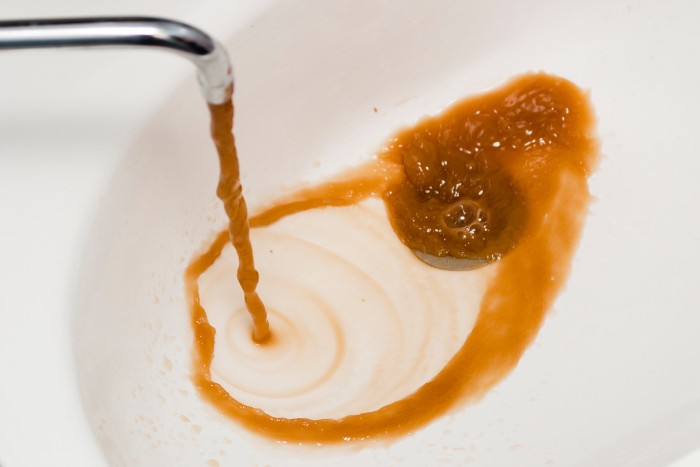
Knowing when to flush water heater tanks is easier when you know what to look for. Here are the most common signs water heater needs flushing:
- A rumbling water heater noise is one of the clearest signals. That sound is often sediment popping and shifting at the bottom of the tank as the water heats up around it. Popping or banging sounds during heating cycles mean the buildup has likely been there for a while.
- Reduced hot water pressure or inconsistent hot water delivery can also indicate sediment blocking the drain valve or restricting flow. If you notice that your water does not stay hot as long as it used to, or that the heater takes longer to recover after heavy use, water heater efficiency loss from sediment is a likely cause.
- Discolored water heater water, particularly water that looks brown, rusty, or slightly yellowish at the hot tap, suggests corrosion or heavy sediment inside the tank. This can point to both flushing needs and possible anode rod failure.
Signs the Anode Rod Needs Attention
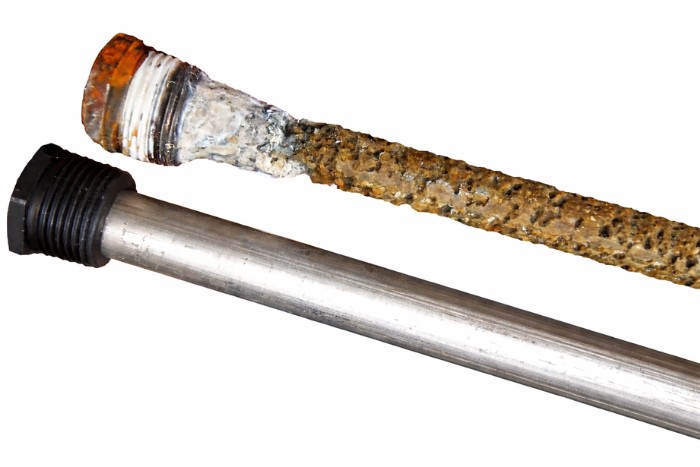
Knowing when to replace water heater anode rod components can be harder since the rod is not visible without opening the tank. However, there are signs that bad anode rod situations produce that you can catch if you know what to look for.
- A rotten egg smell from hot water is one of the most telling. This odor comes from sulfur bacteria that thrive when an anode rod has depleted enough to lose its protective function. The bacteria interact with trace sulfur compounds in the water and produce hydrogen sulfide gas. The smell is unmistakable and often intensifies when the hot water sits unused.
- Tank corrosion indicators include rust-colored or discolored water heater water, visible rust around fittings or at the base of the tank, and water that smells metallic. If the anode rod is gone or nearly depleted, the tank begins to corrode from the inside. At that point, replacement may be unavoidable.
If you have not had the rod checked in three years or more, especially in a home with a water softener, it is time to inspect the anode rod condition regardless of symptoms. The softened water corrosion factor means waiting for symptoms can mean waiting too long.
Common Maintenance Mistakes to Avoid
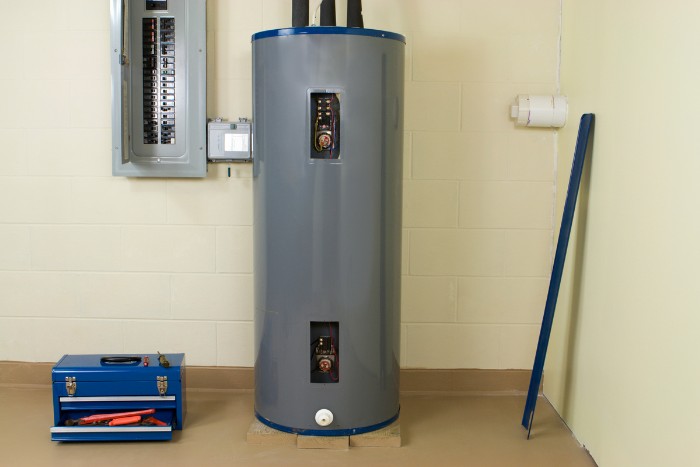
Several patterns come up repeatedly when homeowners run into preventable water heater problems. Understanding what happens if the anode rod is not replaced is one place to start. The answer is straightforward: without the sacrificial rod doing its job, the steel tank corrodes from within. Once that process begins, no amount of maintenance can reverse it. A tank that fails early because the anode rod was never changed is an entirely avoidable expense.
Another common mistake is assuming that soft water reduces the need for water heater care. Because softeners dramatically reduce scale buildup, some homeowners believe their heater is essentially self-maintaining. Reduced sediment soft water conditions are real, but the accelerated rate of soft water anode depletion more than offsets that benefit if rod maintenance is ignored.
Skipping the annual water heater maintenance flush is another mistake that compounds over time. Sediment does not build overnight, and the effects are gradual enough that many homeowners do not notice until performance has dropped significantly. Flushing the water heater annually, or at a minimum every two years, keeps the tank performing efficiently and extends its life. The softened water heater maintenance schedule should include a flush and an anode rod inspection every year, or at least every other year at minimum.
Finally, many homeowners purchase a water heater and never revisit its maintenance needs as their water treatment situation changes. If you added a water conditioner, switched from a salt softener to a salt-free conditioning system, or changed your water source, those changes may affect your heater’s maintenance requirements.
When to Handle It Yourself and When to Call a Professional

For homeowners comfortable with basic plumbing tasks, a DIY flush water heater procedure is manageable. You will need a garden hose, a flat-head screwdriver, and work gloves rated for heat. Shut off power or gas to the unit, connect the hose to the drain valve, and let the tank drain. Running cold water through the tank at the end helps flush remaining sediment before refilling. The water heater flushing procedure takes about 30 to 60 minutes and requires no special tools beyond what most homeowners already have.
Anode rod inspection and anode rod installation are a step up in difficulty. The rod requires a 1 1/16-inch socket and often significant torque to remove, especially if it has not been touched in several years. In some tank configurations, access is limited, and the space around the heater makes the job awkward. If you are unsure about the process or have not attempted it before, professional water heater service is the safer choice.
Any time you notice signs of active tank corrosion, hear unusual noises, or see discolored water from the hot tap, a professional evaluation is worth scheduling quickly. A licensed technician can also help you determine the best anode rod for softened water in your specific setup, whether that is a magnesium, aluminum zinc, or powered anode rod.
If your water heater is approaching the ten-year mark and has not received regular maintenance, a professional inspection before investing in repairs is a smart move. In many cases, early replacement is more cost-effective than repeated service calls on an aging tank.
Putting It All Together
Flushing your water heater and replacing the anode rod are two of the most impactful maintenance tasks any Arizona homeowner can perform, and both become more pressing when a water softener is in the picture. The softened water heater maintenance schedule does not need to be complicated. A yearly inspection that includes checking the anode rod and flushing sediment keeps the tank running efficiently, protects your investment, and helps you avoid the kind of failures that come from years of neglect.
If you are not sure where your system stands, starting with a professional water heater inspection alongside your next water softener service visit is a practical first step. Understanding your water, your equipment, and your maintenance schedule is exactly the kind of proactive approach that protects your home and keeps costs predictable over the long term.

If you need help with your water heater, contact Clear Water Concepts today to see how we can help.