(480) 373-9949
If you’re researching Reverse Osmosis water side effects or “are there drinking RO water side effects?”, you’ve likely encountered conflicting information online; from alarming claims about mineral depletion to warnings about electrolyte imbalance and dehydration. This article breaks down the science behind reverse osmosis water so you can separate myth from fact and make an informed choice for you and your family.
We’ll explain what reverse osmosis is, what it does to your water, commonly cited concerns, and what scientific evidence actually supports (or doesn’t support) these claims.
What Is Reverse Osmosis and Why Does It Matter?
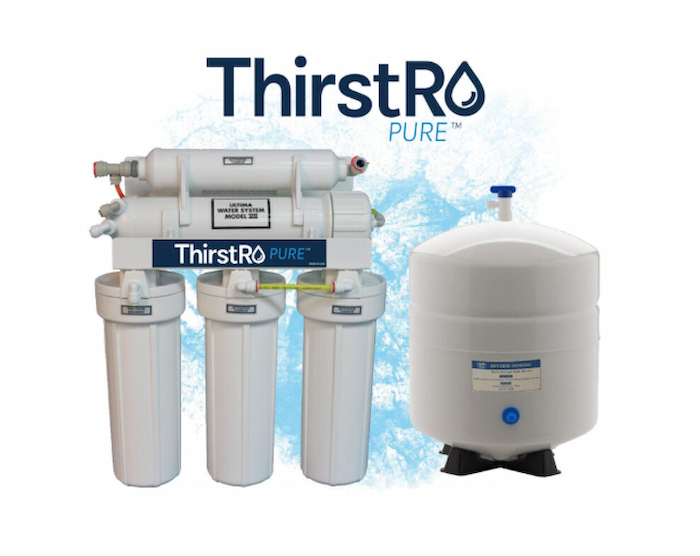
Reverse osmosis (RO) is a water purification process that forces tap water through a semipermeable membrane under pressure. This removes a wide range of contaminants, such as heavy metals, chemicals, and microbes, producing highly purified water.
Because RO removes nearly all dissolved substances, including beneficial minerals like calcium and magnesium, people sometimes worry about potential health impacts from drinking such pure water.
Myth #1: RO Water Causes Mineral Deficiencies

One of the most common claims is that RO water leads to mineral depletion—that drinking demineralized water reduces your body’s calcium, magnesium, and other essential nutrients.
What the Science Says
Yes, reverse osmosis removes up to 95–99% of most minerals in the water, including calcium, magnesium, potassium, and sodium.
However, the World Health Organization (WHO) and other health experts note that the majority of essential minerals come from food, not water. Mineral intake from a balanced diet far exceeds the amount you would get from drinking water, even if that water retained all its minerals.
Most nutrition and public health research confirms there is no solid evidence that drinking RO water regularly causes clinically significant mineral deficiencies in healthy adults with normal diets.
Bottom Line: You get your essential minerals from what you eat, not primarily from your drinking water, so the fact that RO water is low in minerals is not usually a health concern.
Myth #2: Drinking RO Water Causes Electrolyte Imbalance
Another fear is that RO water can lead to electrolyte imbalance (a condition where key minerals like sodium and potassium are out of balance).
What Research Suggests
Some older, limited studies on demineralized water (not specific to modern RO systems) noted changes in electrolyte levels and fluid balance in the body.
However, in healthy individuals with a balanced diet, electrolyte homeostasis is tightly regulated by the body and unaffected by the mineral content of drinking water. There is no strong clinical evidence showing that drinking RO water causes electrolyte imbalance in most people.
In rare cases—such as restrictive diets or malabsorption disorders—individuals might require medical guidance, but these situations are exceptions, not the rule.
Myth #3: RO Water Is Too Acidic
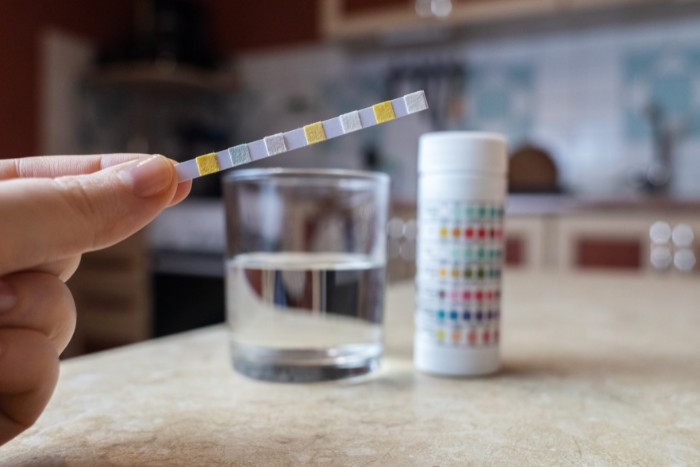
Some sources claim that reverse osmosis water becomes acidic and negatively affects your health.
Reality Check
RO water can have a slightly lower pH than typical tap water, but this isn’t inherently harmful. The pH of water does not significantly alter your body’s internal pH balance, which is tightly controlled by physiological processes. In fact, any minor acidity can be neutralized naturally by the digestive system once the water is ingested. If taste is a concern, remineralization filters or minerals added post-filtration can help balance pH and improve flavor.
Myth #4: RO Water Causes Dehydration

Some believe that drinking purified water without minerals leads to dehydration.
Why This Isn’t True
Hydration depends on water intake and electrolyte status overall, not just the mineral content of the water you drink. Scientific consensus holds that pure water from RO systems hydrates just as effectively as regular tap water.
Unless someone avoids food entirely or consumes almost no electrolytes from their diet, there is no evidence that RO water causes dehydration.
Myth #5: RO Water Causes Long-Term Health Issues

There are claims linking demineralized water to risks like bone health problems, cardiovascular disease, and digestive issues. Some sources cite outdated or tenuous epidemiological data to support these claims.
What the Research Shows
While older studies sometimes found associations between extremely low mineral water and certain health outcomes, these studies are not specific to modern RO drinking water in well-nourished populations. Many lack rigorous controls or conclusive evidence.
Most health authorities, including WHO, do not list RO water as a risk factor for conditions like osteoporosis or heart disease in people with typical diets because essential minerals are primarily obtained from food.
Myth #6: RO Water Leaches Minerals From Your Body

Another persistent myth is that pure water “pulls” minerals from your body.
Debunking the Idea
According to mainstream scientific reviews, this claim has no robust biological basis. Your body’s mineral stores and blood chemistry are regulated by complex systems in your gut and kidneys, not by the drinking water’s TDS level alone. This misunderstanding likely stems from confusion between RO and distilled water discussions. Although both are very low in minerals, neither has been proven to “extract” minerals from human tissues in healthy individuals.
Myth #7: Children Should Avoid RO Water

Some online sources argue that children need mineral-rich water for development.
Clarifying the Evidence
Children, like adults, get their required minerals predominantly from food. The few milligrams of calcium or magnesium that might be present in typical tap water represent only a tiny fraction of daily dietary needs.
Pediatric nutrition guidelines do not recommend against drinking purified water from an RO system for children who are otherwise healthy and have balanced diets.
Myth #8: RO Water Encourages Bacterial Growth

There’s a belief that highly purified water is more prone to bacterial contamination.
What You Should Know
A properly installed and maintained RO system includes multiple filtration stages, including sediment and carbon filters, before the membrane. This reduces bacterial growth risk. Regular maintenance (filter changes, membrane cleaning) keeps RO systems sanitary. In contrast, poorly maintained systems, like any water filter, could be susceptible to biofilm if left unchecked. But this is a maintenance issue, not an inherent risk of RO water itself.
When Mineral Replenishment Might Be Useful
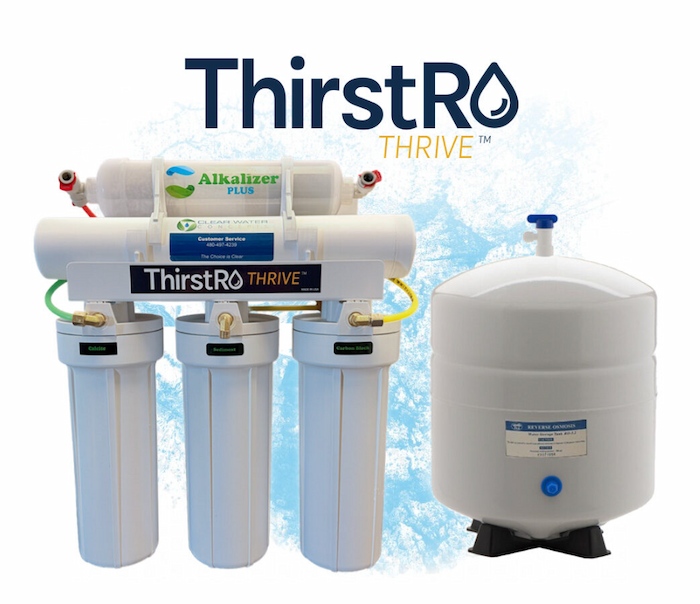
If you want taste or preference enhancements, many RO systems include remineralization filters to add back calcium, magnesium, or alkalinity to water. This isn’t required for health, but can improve flavor and align with WHO guidelines for balanced drinking water.
The Bottom Line: What the Evidence Really Says
- RO water removes most minerals—true—but this does not mean it’s unhealthy if you eat a balanced diet.
- Electrolyte imbalance or dehydration from RO water has no strong scientific support in typical populations.
- Acidic water concerns are overblown; the body buffers small pH differences effectively.
- Long-term health risks like heart disease or bone loss lack conclusive evidence when considering modern diets and overall nutrition.
Yes, reverse osmosis water side effects are talked about online, but when examined in the context of nutritional science and WHO recommendations, most concerns are myths rather than facts.
Final Thoughts for Phoenix Homeowners
If you’re using a reverse osmosis system or considering one, rest assured: the science overwhelmingly supports RO water as a safe, effective choice for clean drinking water. Myths often originate from misinterpretation, outdated research, or anecdotal fears.
The key is proper system selection and maintenance, and working with a local expert who understands Phoenix’s unique water profile.
Take the Next Step with Clear Water Concepts

At Clear Water Concepts, we’ve been helping Phoenix-area families enjoy cleaner, safer drinking water for over 20 years. Our reverse osmosis systems are:
- NSF-certified for contaminant removal
- Fully installed by local professionals
- Supported with reliable filter replacement and service
- Optional remineralization filters are available
Explore Reverse Osmosis Options Now »
Or
Got questions? Schedule a free water consultation or call us at 480-722-7700.
Drink confidently. Live better. Let’s make your water right.